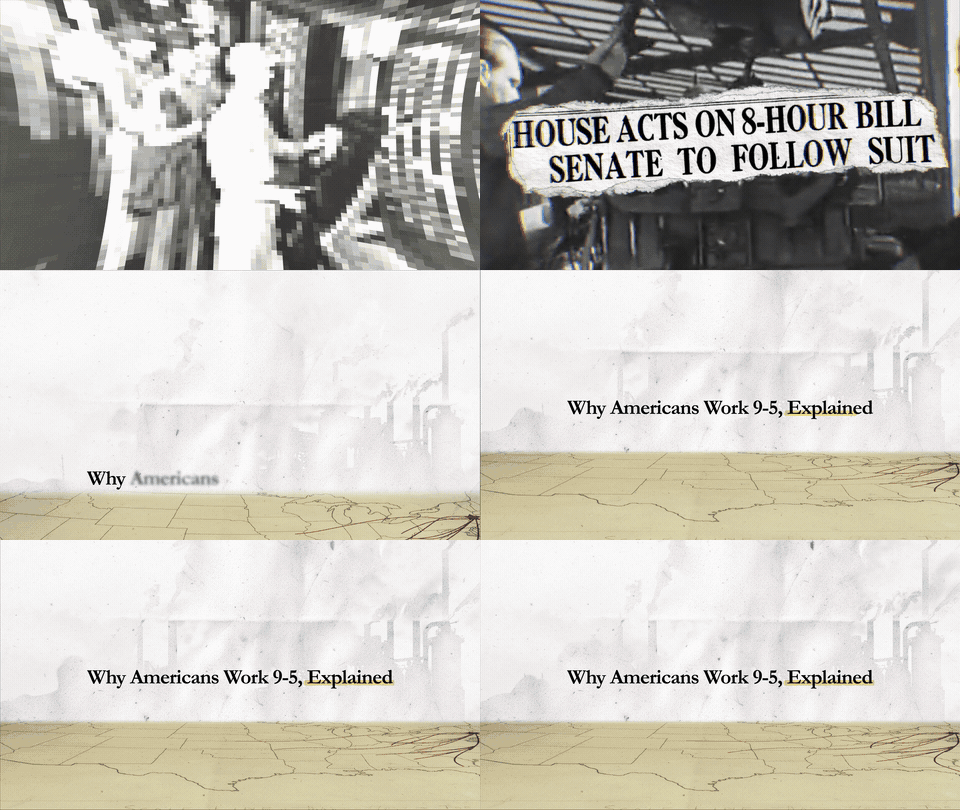
Case Study
Why Americans Work 9-5, Explained
How the Industrial Revolution, Henry Ford and a 1938 federal law shaped the workweek most Americans still live by.
Producer · Editor · Motion Designer
Watch Here01 / 05
Why this story
Almost every American has an opinion about the 9-to-5. Hardly anyone knows where it came from.
That's the kind of story I go looking for. The 40-hour week is evergreen and woven into American culture, but it has a paper trail more than a century long: textile mills, factories and railroads; 60- to 80-hour weeks with no minimum wage or guaranteed breaks; and a farm boy from Michigan who changed how the whole country works. My job was to connect that history to the debate happening right now.
02 / 05
History first
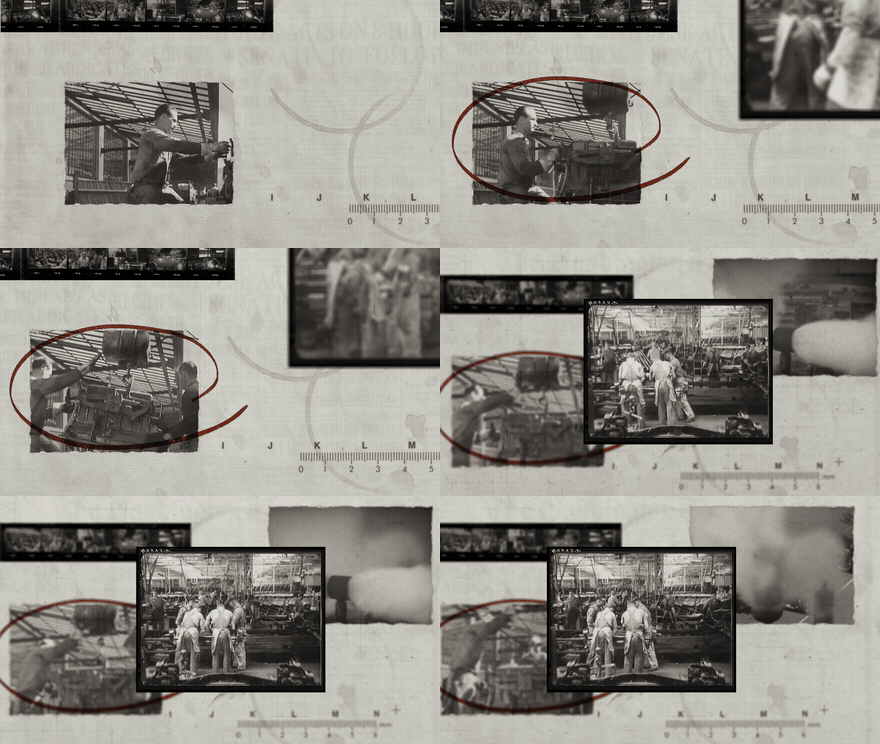
Most explainers start with today and add a little history. I do it the other way around.
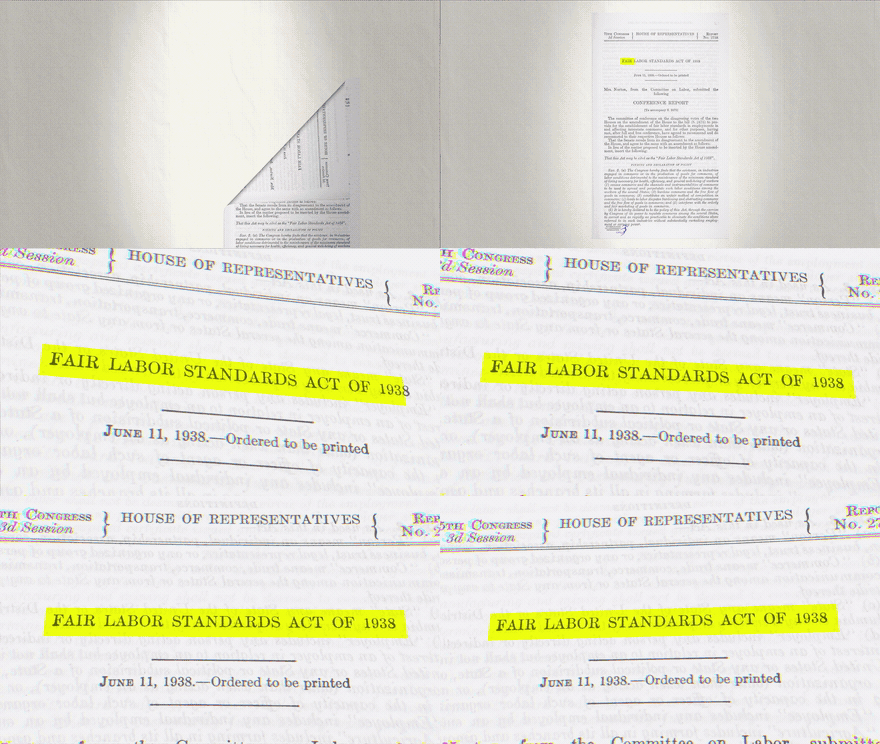
I build the story out of the archive (period newspapers, company documents, government reports, early photographs) and let the past explain the present. This one runs from Industrial Revolution factories and 80-hour weeks, through Henry Ford's $5 day, to the 1938 law that made the 40-hour week a national standard. Every stop answers one question: how did this schedule become the one most of us still live by?
03 / 05
The hardest part: choosing
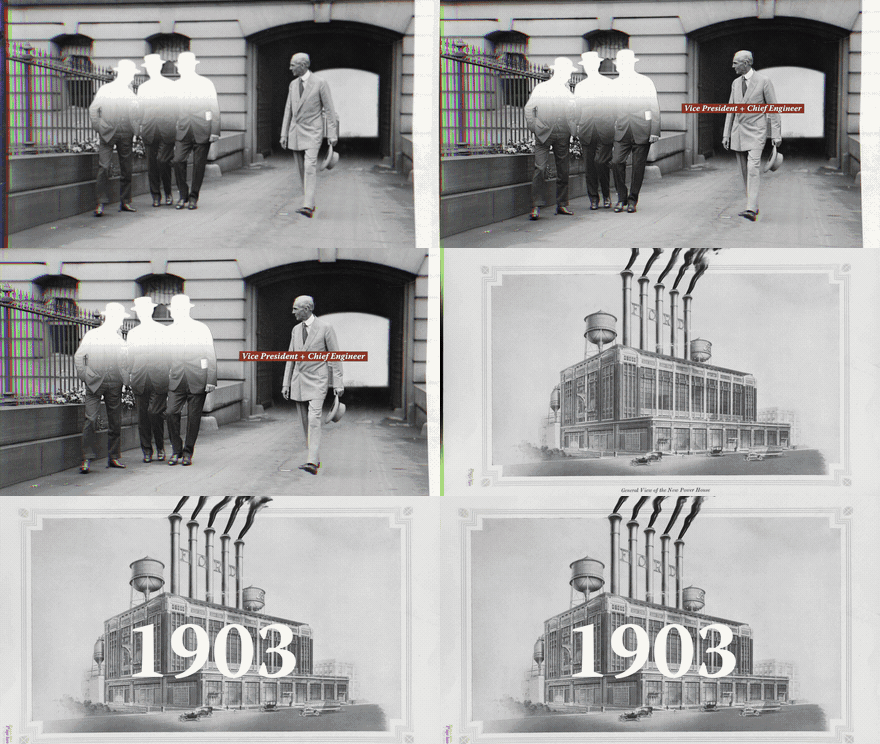
Henry Ford is one of the most photographed figures of his era. The challenge wasn't finding material. It was choosing the pieces that told the right story.
Many of the images in this video are licensed from the collections of The Henry Ford museum, with others from the Library of Congress and additional archives. I asked the same question of every asset: does it move the story forward, or does it just decorate it? What survived had to earn its place on screen.
04 / 05
Built in After Effects
I've been working in After Effects for more than a decade, and it's still my favorite place to be.
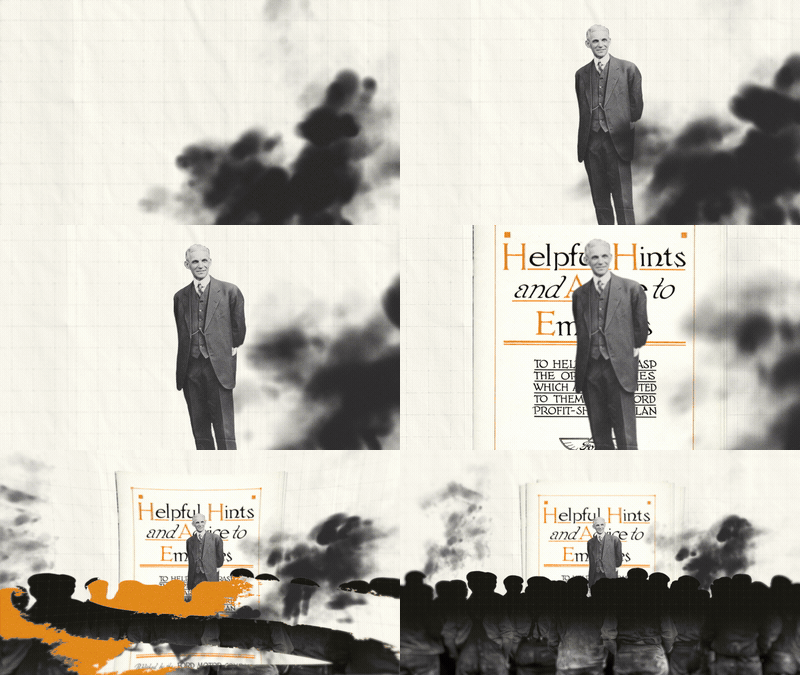
Everything in this video was designed and animated there: archival photos cut out and given depth, ink and smoke reveals, newspaper headlines pulled off the page, highlighted passages from century-old documents, and labels that put a name and a date to every face. I also teach these techniques on my YouTube channel. This video is where I show how they work in practice, on a real story.
05 / 05
The opening
The part I'm proudest of is the opening. I like to start with something happening right now and connect it to an idea you may or may not have had.
A hook has to do three things at once: grab you, make you feel invited rather than lectured, and promise that the history ahead is about your life today. Everything after it is built to keep that promise.
Have a story that deserves this kind of treatment? I'm always up for collaborating with producers, creators and brands.